
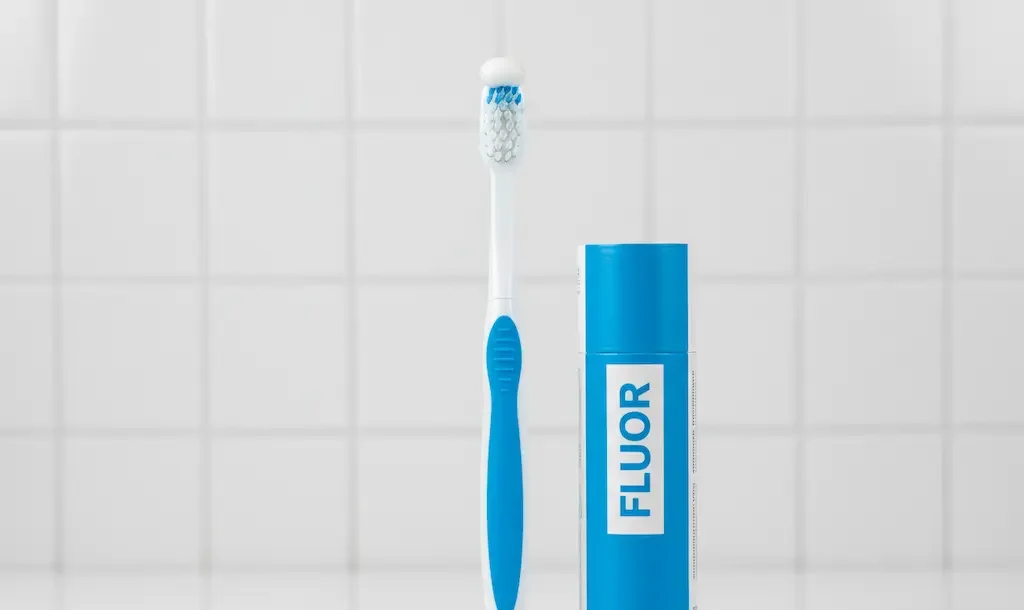
Fluoride toothpaste is an essential part of your daily oral hygiene routine. However, there are still many questions and misconceptions about its use. In this article, we explore its benefits, risks, and scientific facts so that you can make informed decisions about your dental health.
What is fluoride and why is it included in toothpaste?
Fluoride is a natural mineral found in water, food and soil. In toothpaste, it acts to protect teeth against cavities by:
- Strengthen tooth enamel weakened by acids.
- Reduce bacterial activity in the mouth.
- Promote remineralisation of developing teeth.
Studies have shown that using fluoride toothpaste can reduce tooth decay by up to 40%.
Proven benefits of using fluoride toothpaste
1. Prevention of tooth decay
Fluoride strengthens enamel and reduces the risk of tooth decay, providing key protection against sugar and bacterial plaque.
2. Enamel remineralisation
Fluoride helps restore lost minerals in the enamel, reversing early damage before it turns into cavities.
3. Continuous protection
Daily use of fluoride creates a long-lasting protective layer on the teeth, continuing to work even hours after brushing.
4. Clinical safety
Organisations such as the WHO and the ADA endorse the use of fluoride in toothpaste, emphasising its safety when used properly.
Is fluoride safe? What are the potential risks?
Yes, fluoride is safe in the recommended concentrations. Possible risks arise from excessive intake, especially in young children. The most common is dental fluorosis, a mild cosmetic alteration.
Recommendations for safe use:
- Use amounts according to age (rice grain or pea).
- Prevent children from swallowing the paste.
- Supervise children’s brushing.
Are there fluoride-free toothpastes? Are they just as effective?
Fluoride-free toothpastes do exist, but they do not offer the same protection. Their use is only recommended in specific cases. For most people, using fluoride toothpaste is the most effective way to prevent tooth decay.
Common myths about fluoride toothpaste
Is fluoride toxic?
Not in the doses present in toothpaste. Only very high and sustained exposure can cause adverse effects.
Does fluoride affect the nervous system?
There is no scientific evidence that topical use of fluoride causes neurological damage.
Is it just for children?
False. Adults also need protection against tooth decay, especially if they have receding gums or treatments such as orthodontics.
How to choose the best fluoride toothpaste for you
Choose according to your needs and age. Check the fluoride concentration (ppm):
- Adults: 1,000–1,500 ppm
- Children: 500–1,000 parts per million
Ensure that the product has clinical backing and is regulated by health authorities.
What happens if you don’t use fluoride toothpaste?
Avoiding fluoride increases the risk of tooth decay, especially in people with a high-sugar diet or poor oral hygiene. In children, it can lead to early tooth decay with long-term effects.
Conclusion: fluoride, a proven ally for your oral health
Fluoride toothpaste is safe, effective and backed by decades of research. When used properly, it prevents cavities, remineralises enamel and protects teeth in the long term. Always consult your dentist to choose the product that is right for you.
Would you like personalised advice? Visit Crooke Dental Clinic and take care of your oral health with a professional approach.