
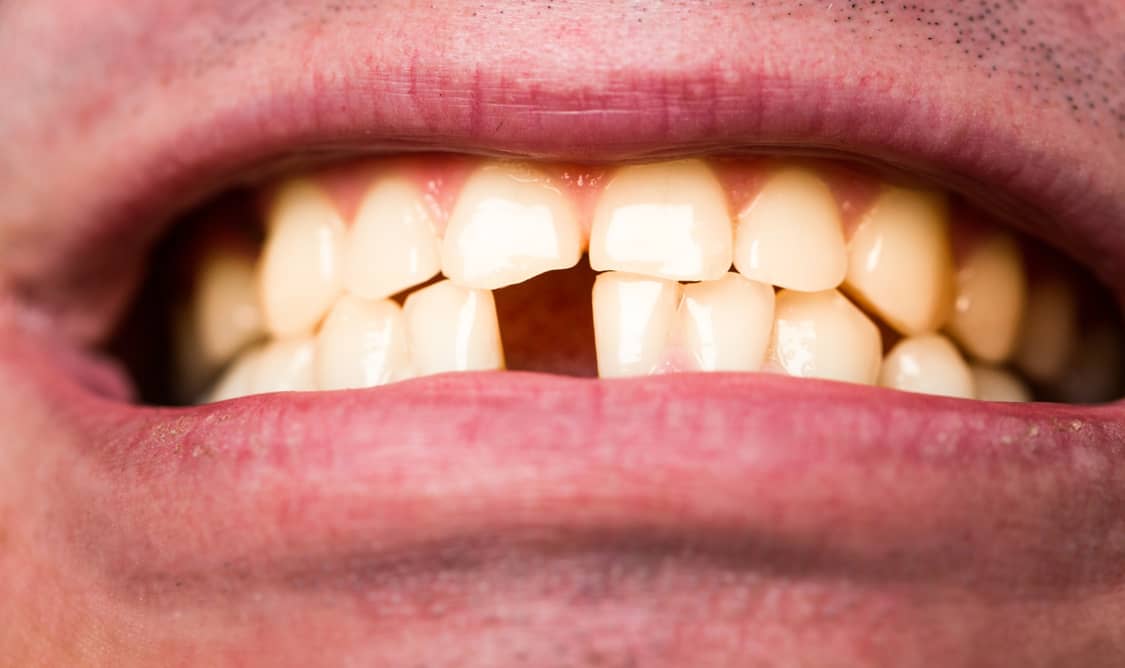
Having bad teeth can be a difficult and frustrating experience, but it is important to know that there are solutions. Whether for cosmetic reasons, cavities or alignment problems, addressing these issues early on can prevent more serious complications in the future. In this article, prepared by a dental clinic in Marbella, we will answer the most common questions about bad teeth and offer clear and helpful answers.
What causes poor dental health?
There are several factors that can cause tooth decay. Poor oral hygiene is one of the most common causes, as not brushing or flossing regularly leads to plaque build-up and cavities. A diet high in sugar and acidic foods also contributes to tooth decay. In some cases, genetics can play a role, making some people more prone to weak enamel or crooked teeth. Smoking also worsens the situation, staining teeth and promoting gum disease. Identifying the root cause of your dental problems will help you choose the best treatment.
Can teeth in poor condition be repaired?
Yes, teeth in poor condition can usually be repaired, depending on the level of damage. There are different ways to restore your smile, from cosmetic treatments to more complex procedures.
For example, dental implants are an excellent option for replacing missing teeth, as they offer a permanent solution with a natural appearance. As experts in dental implants in Marbella, we recommend them to patients seeking a durable, functional and aesthetic solution.
Crowns and bridges can restore cracked or badly damaged teeth. If a tooth cannot be saved, a root canal can remove the infection and prevent extraction. For cosmetic problems such as chipped or stained teeth, veneers are a quick and effective solution.
What options do I have if my teeth are really bad?
If your teeth are in very poor condition, the first step is to see a dentist who can assess your situation. Depending on the severity, there are several treatment options available:
-
Fillings and cleanings: If you have cavities or minor damage, regular cleanings and fillings can restore your teeth to health.
-
Root canal treatment: if there is deep decay, a root canal can remove the infection and save the tooth.
-
Orthodontics or Invisalign: If you have crooked or misaligned teeth, braces or clear aligners such as Invisalign can correct the position over time.
-
Total reconstruction: if the damage is extensive or teeth are missing, it may be necessary to combine implants, crowns, veneers and bridges.
Consulting with a professional will enable you to determine the best approach for your situation.
What if I cannot afford dental treatment?
Are you concerned about the cost? Although dental treatments can be expensive, there are ways to make them more affordable:
-
Low-cost clinics: Many cities have community clinics that offer reduced rates.
-
Dental insurance: If you have dental insurance, it may cover basic treatments such as cleanings, fillings, or extractions. Review your policy to find out what is covered.
-
Payment plans: Many clinics offer financing options to pay in instalments.
-
Government assistance: in some cases, there are public programmes for people on low incomes.
-
Non-profit organisations: some NGOs offer free or low-cost dental services.
Can I fix my teeth at home?
Although professional dental care is essential, there are things you can do at home to maintain and improve your oral health:
-
Brushing and flossing daily is key to preventing damage.
-
Over-the-counter whitening products can improve the appearance of stained teeth.
-
Mouthwash helps eliminate bacteria and keep your breath fresh.
However, these solutions are not a substitute for professional treatment if you have serious dental problems. As experts in dental implants in Malaga, we always recommend seeing a specialist in the event of tooth loss or severe damage. Timely intervention makes all the difference to long-term oral health.
How can I prevent my teeth from getting worse?
If you are concerned about the condition of your teeth, there are several preventive measures you can take:
-
Brush twice daily with fluoride toothpaste to prevent tooth decay and gum disease.
-
Floss daily to remove food debris and plaque in areas that your toothbrush cannot reach.
-
Limit your consumption of sugars and acidic drinks.
-
Visit the dentist regularly to detect and treat any problems before they become serious.
How much does it cost to fix bad teeth?
The cost depends on the treatment required. Here is a general guide:
-
Fillings: from €40 to €100 per tooth.
-
Root canal treatment: between €100 and €800, depending on complexity.
-
Dental crowns: from €400 to €850 per tooth.
-
Veneers: between €100 and €1,200 per tooth, depending on the material.
-
Dental implants: from €600 to €1,200 per implant.
-
Orthodontics (braces or Invisalign): between €2,500 and €6,000 for complete treatment.
These prices may vary depending on the clinic, specialist, and location. It is advisable to request a detailed quote and inquire about financing options if necessary.
Conclusion
Having bad teeth may seem like an overwhelming problem, but there are many solutions to restore your smile and oral health. Whether through preventive care or more advanced treatments such as implants or complete reconstruction, addressing the problem early can prevent further complications. If cost is a concern, explore options such as low-cost clinics, payment plans, or available financial assistance. The most important thing is to seek professional help: don’t let bad teeth prevent you from enjoying a healthy and confident smile.