
What to do in the event of a broken tooth
Discovering that a molar has broken in half can be an alarming experience. A fractured tooth, especially a molar, can cause intense pain and raise concerns about permanent tooth loss. Although molars are strong teeth that play an essential role in chewing, they are vulnerable to fracture due to a variety of factors.
If you ever experience the sensation that a tooth has broken or fractured, it is essential to act quickly. The speed with which the fracture is treated can be decisive in saving the tooth and avoiding serious complications, such as infections or loss of the affected tooth. The first thing you should do is remain calm and see your dentist as soon as possible to obtain a proper diagnosis and explore the available treatment options.
Immediate action in the event of a broken tooth to avoid complications
If you notice that your tooth is broken, it is essential not to chew on the affected side. Otherwise, you could aggravate the fracture or cause more pain. Rinse your mouth with warm water, but avoid using substances such as alcohol or abrasive products. If there is a broken piece of tooth that you can save, place it in a container with milk or salt water and take it to the dentist.
Early treatment not only increases the chances of saving the tooth, but also minimises the risk of infection or further damage to surrounding tissues. If you experience severe pain, your dentist may give you painkillers or prescribe preventive antibiotics until the final treatment is carried out.
What is a cracked tooth and why is it a serious problem?
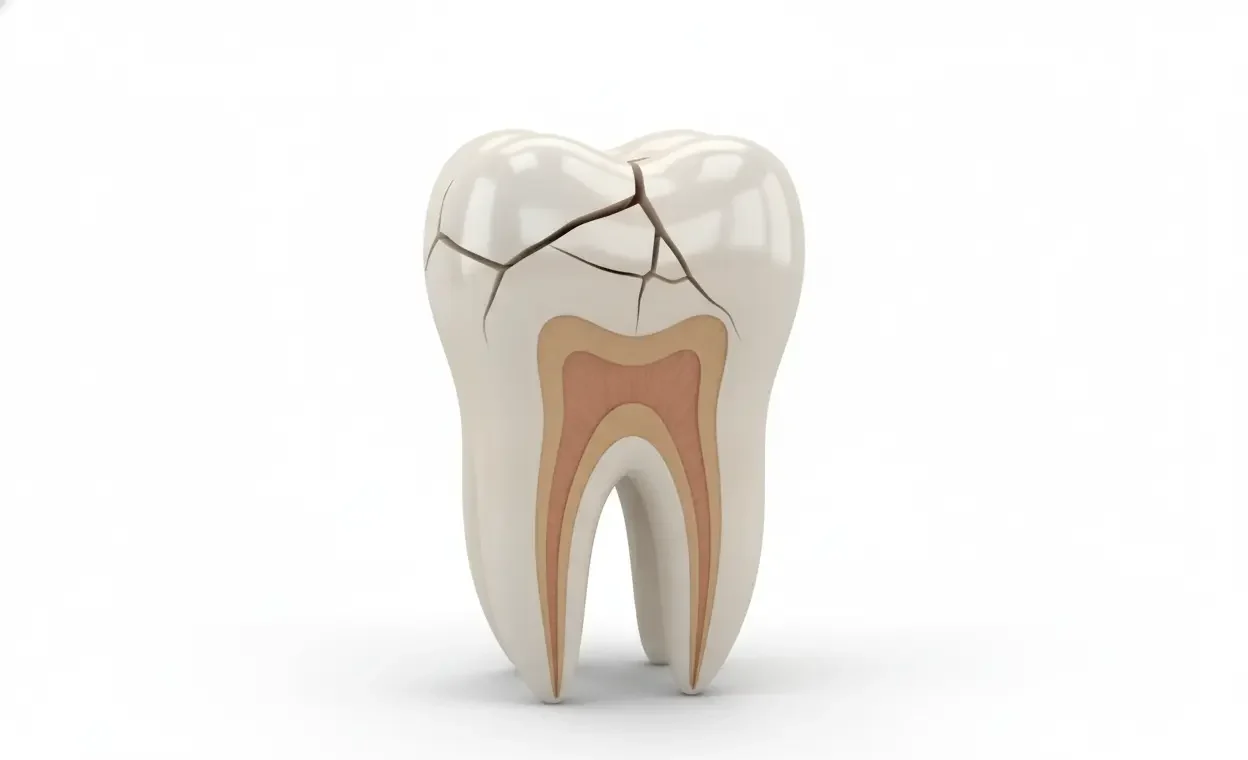
A broken tooth is one that has suffered a partial or complete fracture. This fracture may affect only the tooth enamel, or it may go deeper, involving the dentine or even the root. In the most severe cases, the tooth may break into several pieces. A tooth fracture compromises not only the structure of the tooth, but also its functionality. Depending on the severity of the fracture, the damage can be so extensive that the nerve or dental pulp, which is the inner part of the tooth, is affected. This can lead to severe pain, infection and, ultimately, tooth loss if not treated properly.
A broken tooth has an impact on dental health.
When a fracture reaches the nerve or affects the roots, the tooth becomes much more vulnerable to infection. Bacteria can easily enter through the fractures, causing abscesses or severe infections that can compromise the overall health of the mouth. A fractured tooth also loses its ability to function properly in the chewing process. If not treated in time, it can alter the alignment of adjacent teeth, which in the long term will affect chewing function and dental aesthetics. For these reasons, it is essential that any tooth fracture be treated professionally as soon as possible.
Most common causes of tooth fractures
Tooth fractures can occur for a variety of reasons, but the most common causes are related to the type of pressure and stress that teeth face during chewing. Molars, in particular, are under constant strain due to their role in grinding food, making them more susceptible to breaking. In addition, there are habits and conditions that can further weaken teeth and make them more vulnerable to fractures.
Hard foods and other risk factors
Chewing hard foods, such as ice, bones, or hard candies, is one of the main causes of tooth fractures. These foods exert sudden pressure on the teeth, which can cause them to break, especially if the tooth is already weak due to previous wear or decay. In addition, teeth are not only exposed to external factors, but also to their own wear and tear over time. Teeth with old fillings or poorly fitting crowns are more prone to fracture because they cannot withstand adequate chewing pressure.
Bruxism as a cause of dental fractures
Bruxism, which involves involuntary teeth grinding or clenching, usually occurs during the night. This action puts a great deal of pressure on the teeth, which can lead to cracks and fractures. Over time, bruxism can also wear down tooth enamel, weakening the tooth structure and making it more susceptible to damage. People who suffer from bruxism are often unaware of it, so it is important to watch for symptoms such as facial pain, frequent headaches, and visible wear on the teeth.
Can a tooth that has been broken in half be saved?
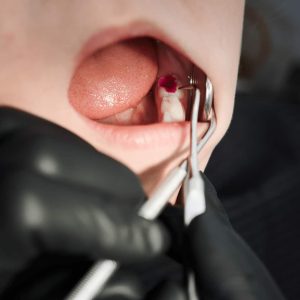
The possibility of saving a broken tooth depends on several factors, mainly the extent of the fracture. If the fracture does not affect the root of the tooth and only the outer part has been damaged, it may be possible to restore it using simple procedures, such as resins or crowns. However, if the fracture is deep and has affected the nerve or root, the treatment will be more complex. In severe cases, the tooth cannot be saved and must be extracted.
Treatment options for broken teeth
For teeth with minor fractures, restoration with composite resin may be sufficient to restore the tooth. Dental crowns are also an option for teeth that have suffered considerable damage but still have an intact root. In cases where the damage is so deep that it affects the nerve, root canal treatment (endodontics) may be performed to save the tooth. If the tooth cannot be saved, the dentist will likely recommend extraction and the placement of a dental implant or bridge to restore function and aesthetics.
Treatment options based on diagnosis
The appropriate treatment for a fractured tooth depends on the severity of the fracture and the condition of the root and dental pulp. An accurate diagnosis by a dentist is essential to determine the best solution. In cases of minor fractures, composite resin can be an effective solution, while more severe fractures may require more invasive treatments, such as crowns, root canal treatment, or even extraction of the affected tooth.
Restoration with resin and crowns
In the case of a minor fracture, a composite resin restoration is an effective option. This treatment is less invasive and can restore the tooth to its original shape. For more extensive fractures, where the tooth loses a lot of structure, the dentist may choose to place a dental crown. Crowns provide a protective layer over the tooth, ensuring that the damage does not worsen and helping to maintain its functionality.
Root canal treatment and more invasive treatments
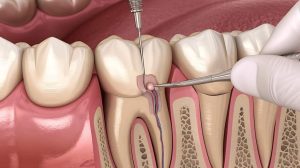
When the nerve or pulp of the tooth is compromised by the fracture, root canal treatment (endodontics) is performed to eliminate the infection and save the tooth, a procedure
Our dental clinic in Madrid specialises in emergencies and dental restoration. This treatment may be necessary when the fracture affects the inner part of the tooth. In cases where the tooth cannot be saved, the dentist will extract it and replace it with a dental implant or bridge, depending on the clinical situation.
What symptoms indicate that a tooth is fractured?
Tooth fractures are not always visible to the naked eye, but they can cause several symptoms that indicate something is wrong.
Pain is one of the first signs of a fractured tooth, especially when chewing hard foods or biting down. Sensitivity to cold or heat can also be a sign that the tooth is affected. In some cases, fractured teeth may not cause immediate pain, which means that people do not seek medical attention until the damage is more serious.
Pain and sensitivity as warning signs
Pain is the most common symptom of a fractured tooth. This pain can be constant or intermittent, and often worsens when chewing or applying pressure to the affected tooth. Sensitivity to cold or heat is also a warning sign, as the fracture may have affected the tooth’s nerve. If you experience any of these symptoms, it is important to see a dentist as soon as possible to avoid further complications.
Prevention and care to avoid further fractures
Preventing a tooth fracture is much easier than treating it after it occurs. Adopting healthy habits and protecting your teeth from situations that could damage them can significantly reduce the risk of fractures. Maintaining a balanced diet, avoiding hard foods that can damage your teeth, and visiting the dentist regularly are key steps in prevention. If you are prone to bruxism, wearing a dental splint at night can also be very helpful.
Habits to strengthen teeth
Avoiding biting hard objects or using your teeth to open bottles or packages is one of the main recommendations for preventing fractures. In addition, maintaining good oral hygiene is essential to avoid problems such as cavities or premature wear of tooth enamel. The use of mouth guards is key if you play contact sports, as they protect your teeth from impacts that could cause fractures.
What happens if a broken tooth is not treated?
Leaving a fractured tooth untreated can have serious consequences for dental health. The fracture exposes the inside of the tooth, which facilitates the entry of bacteria and can lead to severe infections, abscesses, or even tooth loss. If the tooth becomes infected, the damage can spread to surrounding tissues, including the bone. For this reason, it is essential to treat any tooth fracture as soon as possible to avoid serious complications.
Risks of infection and complications from a broken tooth
An untreated fractured tooth can develop infections that will affect not only the tooth but also the surrounding tissues. The infection can damage the bone and other teeth, requiring more complex and costly treatments to repair the damage. In addition, chronic pain and functional loss of the affected tooth can negatively affect quality of life. Therefore, it is essential to act quickly in the event of any tooth fracture.
Conclusión: las muelas partidas tienen solución si se actúa con rapidez
A broken tooth does not always mean tooth loss. With advances in modern dentistry, there are many solutions that allow fractured teeth to be restored and their function preserved. The important thing is not to ignore the problem and to see your dentist as soon as you notice any signs of fracture. If action is taken early, the chances of saving the tooth are high, and serious long-term complications can be avoided.
Frequently asked questions about broken teeth
What should I do if a tooth breaks in half?
The first thing you should do is avoid chewing on the affected side and rinse your mouth with warm water. Then, see your dentist as soon as possible to receive the appropriate treatment.
Can a broken tooth be rebuilt?
Yes, if the fracture does not affect the root and pulp of the tooth too much, it can be reconstructed with resins or crowns. If the damage is more severe, a root canal may be necessary or even extraction of the tooth.
Does a broken tooth always hurt?
Not necessarily. Some fractures may not cause immediate pain. However, if the fracture affects the nerve or becomes infected, the pain can be intense.
How much does it cost to fix a broken tooth?
The cost depends on the treatment required. Resin reconstructions cost between £50 and £130, while crowns can range from £260 to £540. A dental implant, in the event of extraction, can exceed £850.
What happens if I do not treat a broken tooth?
Leaving a fractured tooth untreated can result in serious infections, loss of the affected tooth, and damage to surrounding teeth. Chronic pain and functional loss are additional risks.
Can a broken tooth regenerate on its own?
No, teeth do not have the ability to regenerate. Once a tooth breaks, professional treatment is required to repair it or extract it if necessary.