
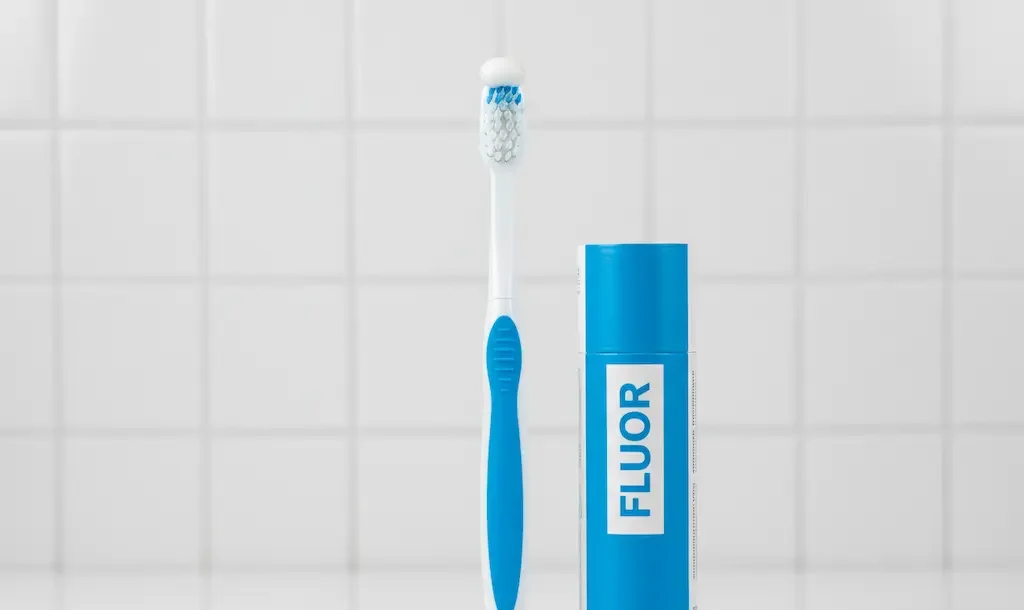
Fluoride toothpaste is an essential part of a daily oral hygiene routine. However, there are still many doubts and misconceptions about its use. In this article, we explore its benefits, risks, and scientific facts so you can make informed decisions about your dental health.
What is fluoride and why is it included in toothpaste?
Fluoride is a natural mineral found in water, food, and soil. In toothpaste, it protects teeth from cavities by:
- Strengthening tooth enamel weakened by acids.
- Reducing bacterial activity in the mouth.
- Promoting remineralization of developing teeth.
Studies have shown that using fluoride toothpaste can reduce cavities by up to 40%.
Proven benefits of using fluoride toothpaste
1. Cavity prevention
Fluoride strengthens enamel and lowers the risk of cavities, acting as a key defense against sugar and bacterial plaque.
2. Enamel remineralization
Fluoride helps restore lost minerals in enamel, reversing early damage before it turns into a cavity.
3. Long-lasting protection
Daily fluoride use forms a protective layer on teeth that continues working even hours after brushing.
4. Clinical safety
Organizations like the WHO and ADA endorse the use of fluoride in toothpaste, highlighting its safety when used appropriately.
Is fluoride safe? What are the possible risks?
Yes, fluoride is safe at recommended concentrations. Risks only appear with excessive ingestion, especially in young children. The most common side effect is mild dental fluorosis, a cosmetic issue.
Safe usage recommendations:
- Use age-appropriate amounts (rice grain size for toddlers, pea-sized for children).
- Ensure children do not swallow toothpaste.
- Supervise children’s brushing routines.
Are there fluoride-free toothpastes? Are they equally effective?
Fluoride-free toothpastes exist but do not provide the same level of protection. Their use is only recommended in specific medical cases. For most people, using fluoride toothpaste is the most effective way to prevent cavities.
Common myths about fluoride toothpaste
Is fluoride toxic?
Not at the levels found in toothpaste. Only prolonged and very high exposure could potentially cause harm.
Does fluoride affect the nervous system?
There is no scientific evidence that topical fluoride use causes neurological damage.
Is it only for children?
False. Adults also need protection against cavities, especially those with gum recession or orthodontic appliances.
How to choose the best fluoride toothpaste for you
Choose based on your age and specific dental needs. Check fluoride concentration (ppm):
- Adults: 1,000–1,500 ppm
- Children: 500–1,000 ppm
Make sure the product is clinically approved and regulated by health authorities.
What happens if you don’t use fluoride toothpaste?
Skipping fluoride increases the risk of cavities, especially for those with high-sugar diets or poor oral hygiene. In children, it can lead to early tooth decay with long-term consequences.
Conclusion: Fluoride, a proven ally for your oral health
Fluoride toothpaste is safe, effective, and supported by decades of research. Used correctly, it helps prevent cavities, remineralize enamel, and protect your teeth in the long term. Always consult your dentist to choose the most appropriate product for your needs.
Looking for personalized advice? Visit Crooke Dental Clinic and care for your oral health with a professional approach.